Závislost na terapeutovi: Je to normální nebo nebezpečné?
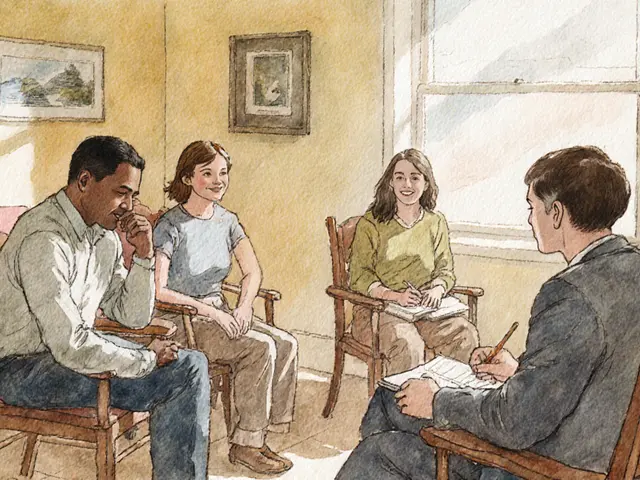
When you start therapy, you’re not just looking for advice—you’re looking for someone who závislost na terapeutovi, přirozená emocionální vazba, která vzniká v bezpečném prostoru terapie. Also known as terapeutická přivázanost, it is not a flaw, but a normal part of healing when it stays within healthy boundaries. Many people worry they’re becoming "too dependent"—but the truth is, therapy works because you learn to trust again. If you’ve been hurt, neglected, or ignored, finding someone who listens without judgment can feel like finding air after drowning.
This bond is different from addiction. A terapeutický vztah, profesionální, omezený časově a eticky vymezený vztah mezi terapeutem a klientem is designed to fade, not grow stronger. It’s not about needing your therapist forever—it’s about learning to need yourself more. You don’t become dependent because you talk too much. You become dependent when you stop making your own choices, when you wait for the therapist to tell you what to do next, or when you feel empty or lost without your weekly session.
Good therapy doesn’t create dependence—it creates autonomy. If you’re afraid to make a decision without your therapist’s approval, or if you feel like you can’t cope without them, that’s a red flag. It’s not that the therapist is doing something wrong—it’s that the process might be moving too fast, or you haven’t built enough internal resources yet. That’s why stabilizing techniques like breathing exercises, grounding, or journaling are so important before diving into deep trauma work. These aren’t distractions—they’re your new inner tools.
And it’s not just about you. The therapist’s role is to notice when the bond becomes unbalanced. A skilled professional won’t let you cling. They’ll gently point it out: "I notice you’ve been calling between sessions. What’s happening for you when you feel you need to reach out?" That’s not rejection—that’s guidance. Real healing happens when you learn to sit with discomfort instead of running to someone else to fix it.
There’s also a bigger picture: in a world where so many of us feel unseen, therapy becomes a rare space of real attention. That’s why some people stay longer than needed—not because they’re weak, but because they’ve never had someone truly listen before. But staying too long without progress? That’s not loyalty. That’s avoidance.
If you’re worried you’re becoming too attached, ask yourself: Am I learning to handle my emotions better? Am I making decisions outside of sessions? Do I feel stronger when I leave, not weaker? If yes, you’re on track. If no, it’s time to talk about it—not hide it.
Below you’ll find real stories and insights from people who’ve walked this path. Some found peace. Others realized they needed to step back. All of them learned one thing: dependence isn’t the enemy. Staying stuck in it is.
Psychoterapie není vždy bezpečná. Může způsobit závislost, zhoršit emocionální stav nebo přehlédnout fyzické onemocnění. Zjistěte, kdy je terapie škodlivá a jak se chránit.
Číst více