Zpomalit terapii: Proč rychlost není klíčem k uzdravení a co skutečně pomáhá
When you're in pain, you want it gone now. But psychoterapie, especially when dealing with trauma, doesn't work like a quick fix. zpomalit terapii, znamená vědomě zastavit, dýchat a vytvářet bezpečný prostor pro tělo i mysl, aby mohla zpracovávat to, co bylo příliš bolestivé na zpracování rychle. It's not about being lazy—it's about being smart. Many people think therapy should rush them toward healing, but the truth is, pushing too fast can retraumatize you. That's why the most effective therapy often feels slow, even frustrating—but it's the only way to truly rebuild what was broken.
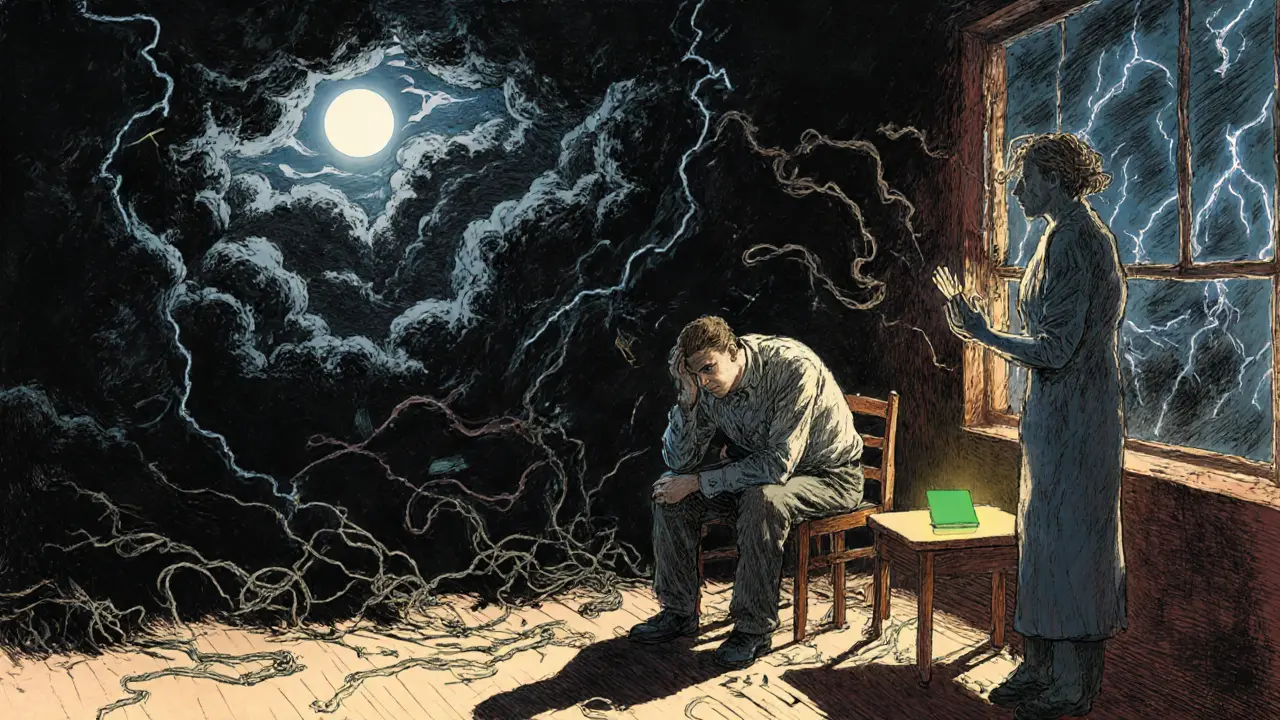
terapeutický proces, není cesta z bodu A do bodu B, ale cesta, kde každý krok mění, jak vidíte sebe i svět. If you've ever felt overwhelmed in a session, or like you're going in circles, that's not failure—it's protection. Your nervous system is saying: "Not yet." That's why techniques like stabilizační dovednosti, včetně bezpečných kotv, dýchání a vnitřních zdrojů, jsou nejen doplňkem, ale základem každé efektivní terapie traumatu. You can't process a memory if your body is still in fight-or-flight mode. Therapy that skips this step is like trying to fix a leaky roof during a storm.
Some therapists push for rapid change because they believe speed equals success. But research shows the opposite: lasting change happens when you build internal safety first. The people who heal fastest aren't the ones who talk the most—they're the ones who learned how to pause, feel safe, and let their body catch up with their mind. That's why sessions sometimes feel quiet, or why you might leave a session feeling worse before you feel better. It's not regression. It's reorganization.
You don't need to fix everything in one session. You don't need to cry every time. You don't need to remember everything right away. Healing isn't a race. It's a rhythm. And sometimes, the most powerful thing you can do in therapy is simply say: "I'm not ready yet." That’s not resistance. That’s wisdom.
Below you'll find real stories and practical guides from therapists who’ve seen what happens when people stop rushing—and start listening. Whether it’s learning how to ground yourself before EMDR, understanding why trauma needs time, or realizing that progress isn’t always visible—it’s all here. No fluff. No pressure. Just what actually helps when you’re trying to come back to yourself.
Když se terapie rozjede příliš rychle, může způsobit zhoršení symptomů, úzkost a přerušení léčby. Zjistěte, jak rozpoznat příznaky přetížení, proč se to děje a jak zpomalit proces, aby terapie opravdu pomohla.
Číst více