Duševní zdraví ČR: Co potřebujete vědět o terapii, podpoře a systému
When you're struggling with your mental health in the Czech Republic, you're not alone—but the system can feel overwhelming. duševní zdraví ČR, systém podpory psychického zdraví v Česku, který zahrnuje terapii, krizové služby a hrazené zákroky. Also known as psychické zdraví, it isn't just about treating illness—it's about having access to care when you need it, without being lost in bureaucracy. Many people think therapy is only for those with severe problems, but the truth is, duševní zdraví ČR is for anyone who feels stuck, overwhelmed, or just not themselves anymore.
One of the biggest hurdles is figuring out how to get hrazená psychoterapie, terapie, kterou hradí pojišťovna, pokud máte doporučení od lékaře. It’s not magic—you need a referral from your GP, and not every therapist accepts insurance. The VZP, ZP MV ČR, and other insurers cover a limited number of sessions, but finding a provider with a contract can take time. And even when you do, waiting lists are real. Meanwhile, krizová centra, bezplatné a anonymní služby pro akutní krize, jako jsou sebevražedné myšlenky, násilí nebo ostrá deprese are often the first line of defense. They don’t replace therapy, but they can save a life while you wait for your first appointment.
And then there’s the pojišťovna, systém, který rozhoduje, kdo dostane pomoc, kolik a za jakých podmínek. It’s not perfect. Some people pay out of pocket because they can’t wait, or because their doctor won’t give them a referral. Others skip help altogether because they don’t know where to start. But the system is changing—slowly. More GPs are learning to spot emotional distress early. More therapists are signing contracts. More people are talking openly about their struggles.
What you’ll find here are real stories about what actually happens in therapy in the Czech Republic—not theory, not brochures, but the messy, human details: how to get that first referral, what to expect at your second session, why online therapy isn’t always cheaper, and when a crisis line is the right call instead of an ambulance. You’ll learn how to spot when therapy might be doing more harm than good, how to recognize if your therapist is the right fit, and how to survive the bureaucratic maze without losing hope. This isn’t about fixing everything overnight. It’s about knowing you don’t have to do it alone—and where to turn when you’re ready to ask for help.
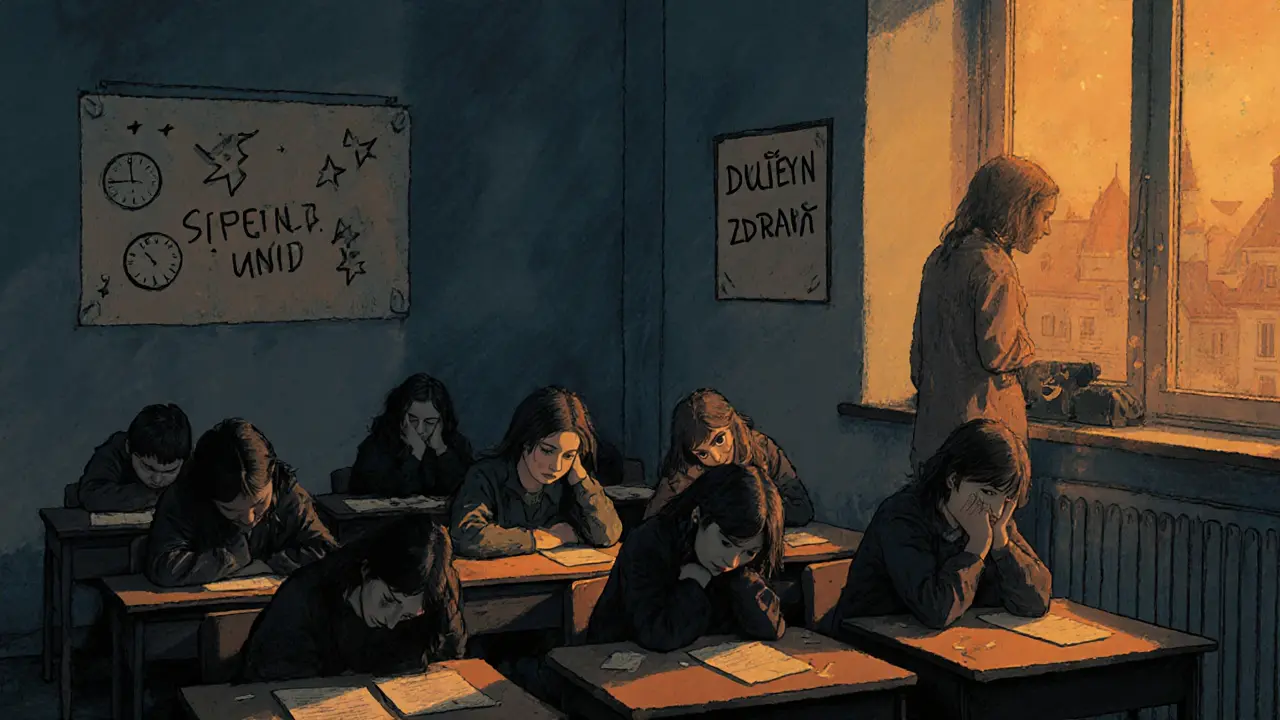
Národní monitoring duševního zdraví v ČR odhalil alarmující údaje: 40 % žáků má příznaky deprese, dospělí trpí stigmatizací a nedostatkem služeb. Data ukazují, že systém potřebuje okamžitou reformu.
Číst více